Where Insight becomes embodiment
Licensed Professional Counseling & Shamanic Counseling
Professional & Shamanic Counseling @ The River Runs Through
Professional Counseling
When I began my work as a therapist more than 25 years ago, I believed what I had been taught—that healing began by understanding our thoughts and changing the patterns that no longer served us.
I still believe that's true.
But over the years, both through my clients and my own life, I came to understand that insight alone isn't always enough. We can know why we feel anxious, stuck, or disconnected and still find ourselves repeating the same patterns.
Real healing asks more of us.
It asks us to slow down. To listen to the wisdom of the body. To reconnect with ourselves, our relationships, and the natural world. It asks us to move beyond simply understanding our lives and begin living them differently.
My counseling practice is grounded in evidence-based psychotherapy, including Cognitive Behavioral Therapy (CBT), mindfulness, and mind-body approaches. Together, we'll create practical tools for change while honoring the whole person—not just the thinking mind.
Shamanic Counseling @ The River Runs Through
Shamanic Counseling at The River Runs Through is a nature-based, experiential approach to healing informed by my own training, experience, and integration of professional counseling, mindfulness, ceremony, creativity, embodied awareness, and shamanic practices. While influenced by various shamanic traditions and teachers, this work is uniquely shaped by an integrative approach that brings together the psychological, spiritual, embodied, and natural worlds.
Shamanic Counseling can be integrated into psychotherapy, offering additional ways to explore emotional patterns, life transitions, spirituality, personal meaning, and embodied experience. For some, we may begin here, weaving shamanic practices into the counseling process from the start. For others, it may become a next step after traditional psychotherapy—a deeper, more experiential way of continuing their healing journey.
Depending on your needs, our work may include guided journeys, ceremony, mindfulness, creative expression, ritual, energy work, or simply creating space to listen more deeply to what is asking for your attention. This work honors the mind, body, heart, spirit, and our relationship with the living world.
I am a IN-Network Provider for Anthem, Cigna (ME & MA), Blue Cross Blue Shield of MA, Optum (MA). If you are covered by insurance, please use the link below to make an appointment. Note: I am not a provider for Medicaid (e.g. Maine Health) or Medicare.
Prices (without insurance):
Initial Session/Consultation - $175
Sessions 2+ - $150
If you have insurance, your co-pay and/or deductible is due at the beginning of your appointment.
Unsure if this approach is for you? Come for a workshop & learn more:
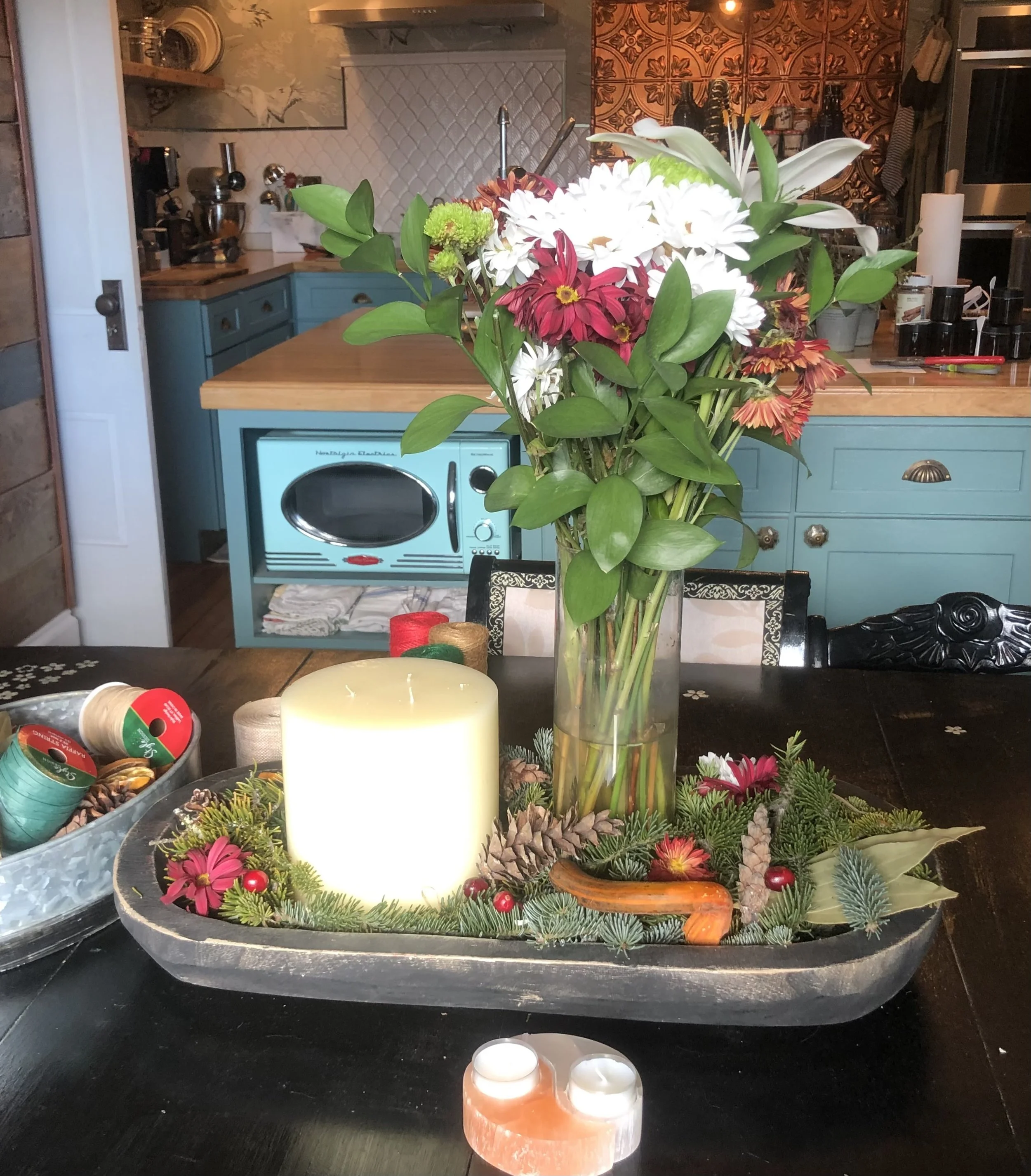
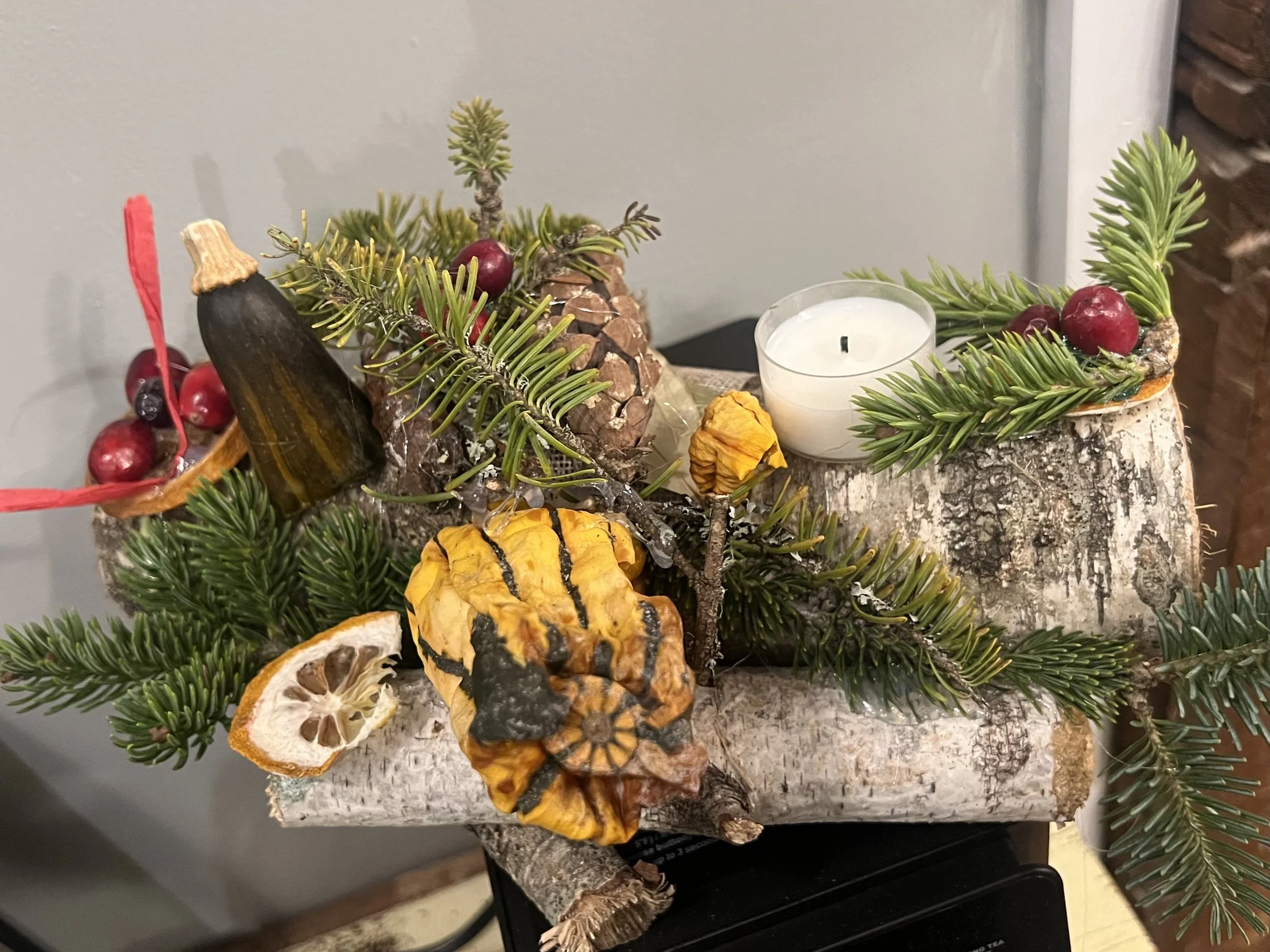
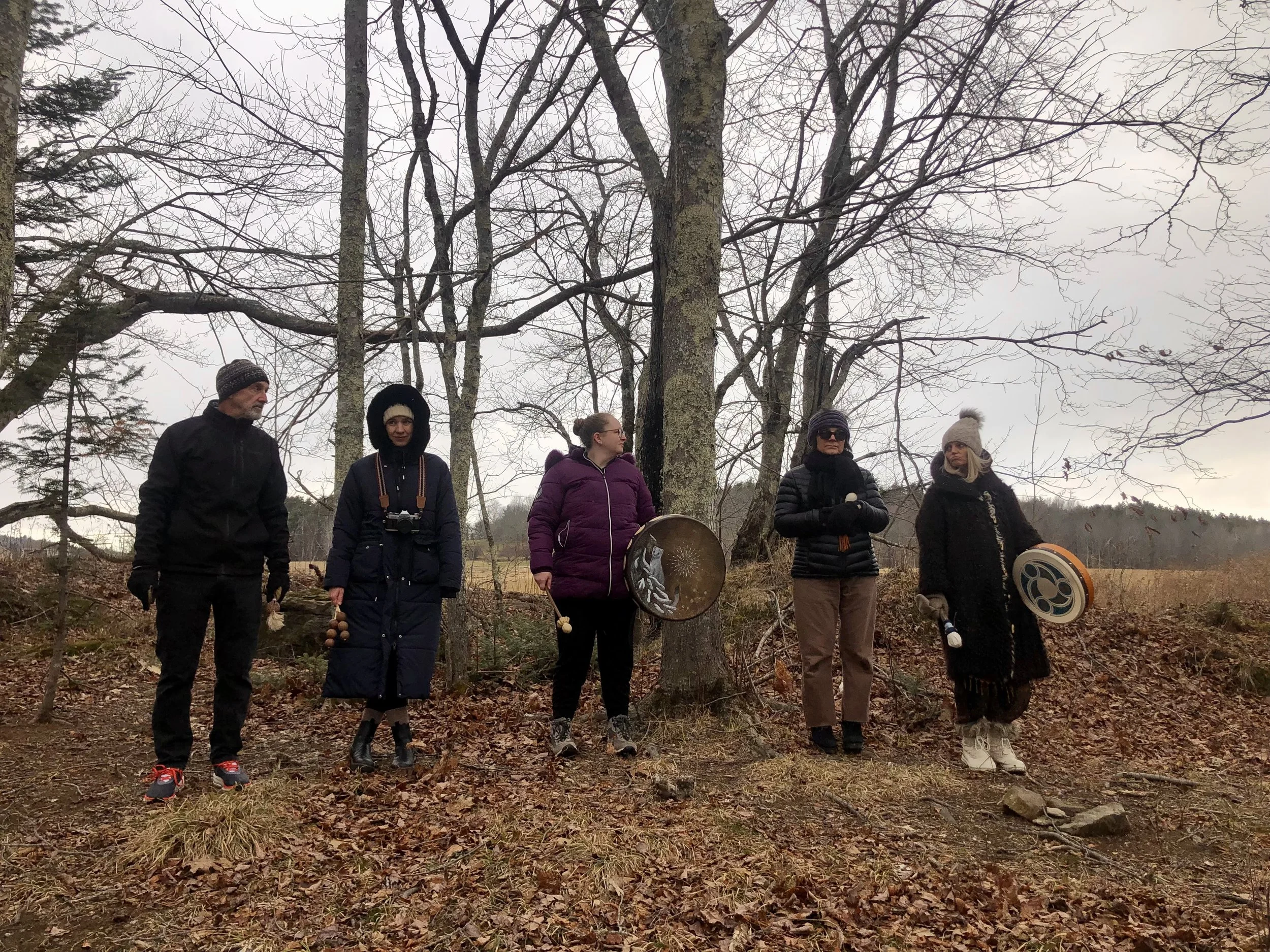
Winter Solstice Celebration · Sunday, December 20 · 4–6 PM
Winter Journey · January 3–March 14
Spring Equinox Celebration · Sunday, March 21 · 4–6 PM
Winter asks something different of us.
The days grow shorter. The natural world becomes quieter. We spend more time inside—sometimes by choice, sometimes because the weather gives us little alternative. It can be tempting to push through the darkness, fill the silence, and wait for spring.
But what if winter isn't something we need to get through?
What if the darkness gives us an opportunity to go inside, slow down, listen, and notice what becomes visible when we stop trying to illuminate everything?
Winter Solstice: Entering the Dark
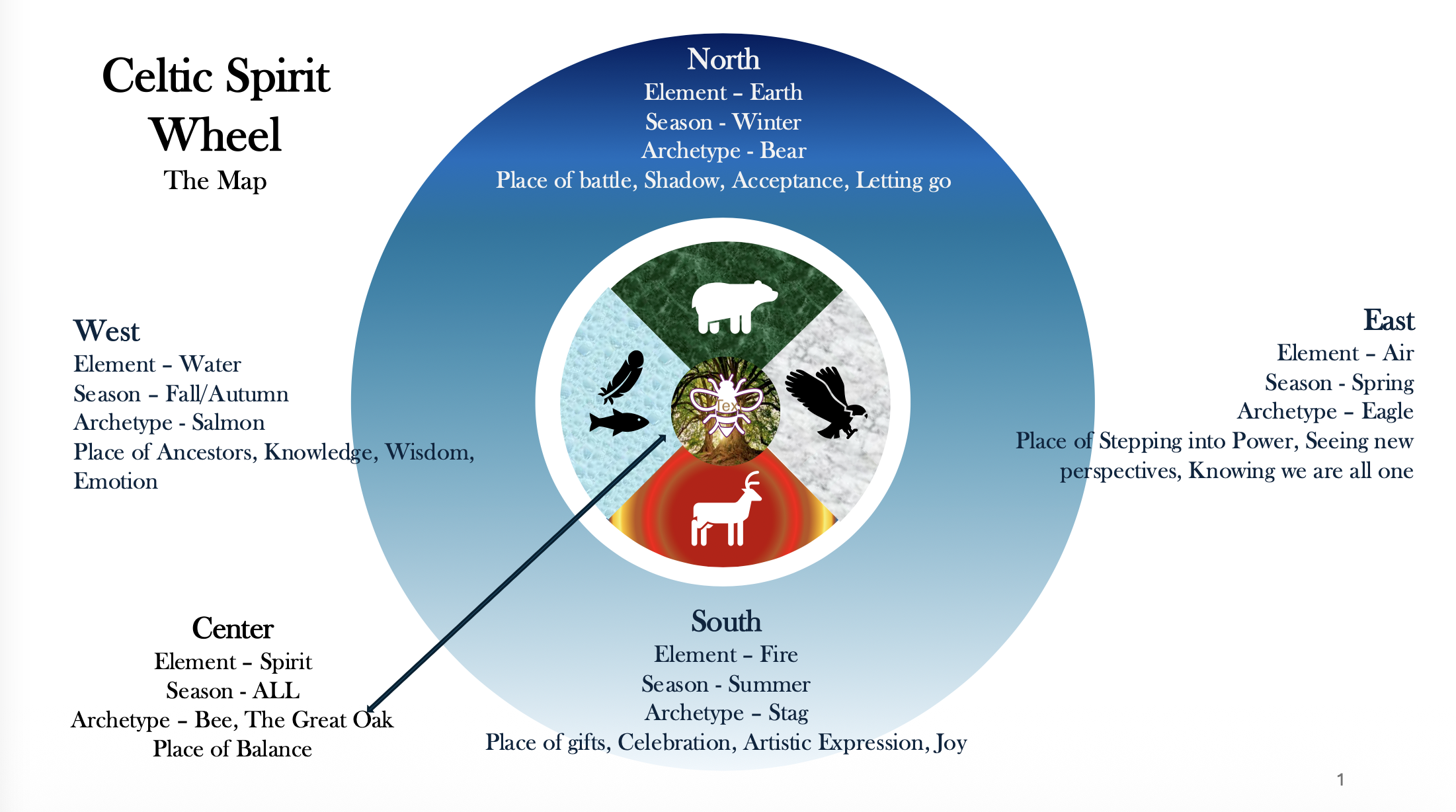
We'll begin on the Winter Solstice with a two-hour in-person gathering to mark the turning of the season and prepare for our journey into the North.
Together we'll create space for stillness, reflection, and the willingness to enter the darkness—not as something to fear or fix, but as a place where something new may become visible.
Come for the Winter Solstice gathering on its own — $45
or continue with us through the winter.
The Winter Journey
Beginning Sunday, January 3, we'll gather every other Sunday from 3–4:30 PM, continuing our journey through the North and the darker months of winter.
Each gathering will offer a new practice, exploration, or question to carry with you into the weeks between meetings. The intention isn't to give you another list of things to accomplish. It's to invite you to experience winter differently—to make room for stillness, listening, reflection, warmth, connection, dreams, and seeing what may be difficult to see in the ordinary light of day.
The every-other-week journey gatherings will be offered in person or online, giving you the flexibility to participate in the way that works best for you.
Participation in the gatherings is strongly encouraged, as the journey unfolds from one meeting to the next, but you don't have to attend every gathering. Recordings will be available if life, weather, or circumstances keep you away. You may also choose to pause and continue your own winter practice between gatherings.
There will be no gathering on March 7 while I am in Scotland completing my shamanic practitioner training. The March 14 gathering will be online only, in case I have not yet returned.
Spring Equinox: Emerging from the Darkness
We'll conclude our winter journey on Sunday, March 21 · 4–6 PM with an in-person Spring Equinox celebration.
After spending the winter looking inward and learning to see in the dark, we'll gather to honor what we've noticed, what has shifted, and what may be beginning to emerge as the light returns.
Come for the Spring Equinox gathering on its own — $45
or include it as part of your Winter Journey.
The Details
Winter Solstice: December 20 · 4–6 PM · $45 standalone
Winter Journey: January 3–March 14
Journey gatherings: Every other Sunday · 3–4:30 PM · in person or online
March 7: No gathering
March 14: Online only
Spring Equinox: March 21 · 4–6 PM · $45 standalone
Complete Winter Journey: $300
The Winter Journey includes the Winter Solstice gathering, scheduled winter gatherings, practices to explore between meetings, recordings of the sessions, and the Spring Equinox closing celebration.
You can come for one of the seasonal gatherings, join us for the entire journey, or find your own rhythm along the way.
The wheel turns. We don't have to force it.
Frequently Asked Questions:
-
Shamanic Counseling is an approach to healing and personal growth that bridges modern psychology and ancient wisdom traditions. It differs from traditional talk therapy by engaging not only the mind and emotions, but also the body, imagination, intuition, relationship with nature, and what many people call spirit.
The goal is not simply to understand your problems, but to support healing, wholeness, and transformation.
-
Traditional therapy often focuses on thoughts, emotions, behaviors, and coping skills. Shamanic Counseling includes these elements while also exploring symbolism, imagination, ceremony, nature, dreams, intuition, and personal meaning.
Rather than asking only, "What happened to you?" Shamanic Counseling also asks, "What is trying to emerge through you?"
-
Shamanic Counseling begins with a story—a healing story about yourself.
Much like expressive arts therapies use imagination to access the unconscious mind, Shamanic Counseling uses imagination not only to access the unconscious, but also to explore our relationship with the unseen world. This often-overlooked layer of experience is sometimes called spirit, soul, intuition, or a deeper way of knowing.
Through conversation, guided imagery, storytelling, mindfulness, nature-based practices, ceremony, and other experiential approaches, we begin to uncover the story that wants to emerge and support the healing that is asking to happen.
-
Yes and no.
My role is not to provide answers or tell you how to live your life. However, I will guide you through practices and experiences designed to help you access your own wisdom, clarity, and inner knowing.
At times, I may offer observations, perspectives, tools, or suggestions for exploration. But the goal is not for you to follow my answers—it is for you to discover your own.
I believe each person carries an inner wisdom that knows what is needed for healing and growth. Sometimes we simply need support in learning how to listen. Shamanic Counseling provides practices that help strengthen that connection.
Our work together is collaborative and grounded in respect for your autonomy, lived experience, and unique path.
-
No.
No particular spiritual beliefs are required. You do not need to identify as spiritual, religious, or even believe in shamanism.
The only requirement is curiosity and an openness to exploring your experience in a new way.
-
People use different words to describe experiences that cannot easily be measured or explained. Some call it spirit, others call it soul, intuition, inner wisdom, imagination, or a connection to something larger than themselves.
Shamanic Counseling does not require a specific definition. You are free to interpret these experiences through your own beliefs and worldview.
-
I spent much of my life wondering, "What's wrong with me?"
As an empath, or Highly Sensitive Person, I had learned that who I was and how I experienced the world was somehow wrong. Being "wrong" in your natural state is a difficult thing to overcome—in reality, it's impossible.
Many highly sensitive people spend years trying to fit into a world that often rewards different ways of being. When that doesn't work, we frequently conclude that we have failed.
I have been a traditionally trained psychotherapist using evidence-based practices for more than 25 years. Along the way, I also trained as a meditation teacher and Kripalu yoga instructor. These practices helped me personally and professionally, but I still felt there was something more.
I was eventually called to shamanic work. The call was subtle, as spirit often is—a quiet nudge that seemed to come out of nowhere. Yet it changed everything.
Not only did it offer a different way of seeing the world, it offered a different way of being in the world. Many of the traits that had once left me feeling different or out of place suddenly made sense. Rather than something to overcome, they became something to understand, honor, and trust.
-
Many Highly Sensitive People find this work particularly meaningful.
Rather than viewing sensitivity as a problem to be fixed, Shamanic Counseling helps people understand their sensitivity, develop healthy boundaries, cultivate grounding practices, and recognize the strengths that often accompany heightened awareness.
Many people discover that what they once viewed as a weakness is actually one of their greatest gifts.
-
People often seek Shamanic Counseling when they are experiencing:
Anxiety and overwhelm
Life transitions
Burnout
Grief and loss
Feeling stuck
Spiritual awakening
A loss of meaning or purpose
Relationship challenges
A desire for deeper self-understanding
A longing for greater connection with themselves, others, or the natural world
-
Shamanic Counseling draws from my background as a licensed psychotherapist while incorporating approaches not typically found in traditional Western therapy.
Depending on your needs and preferences, we may work from a psychotherapy framework, a shamanic counseling framework, or a combination of both. During our consultation, we can discuss which approach may be the best fit for your goals.
-
Shamanic Counseling may be a good fit if you feel called to something deeper than traditional talk therapy, are open to exploring the connection between mind, body, spirit, and nature, and are seeking meaningful change rather than simply symptom management.
If you're curious, an initial consultation is a good place to begin.