
Blog
Thoughts from Crystal

Why Fair Trade Matters — And How You Can Support Global Artisans
In a world built on convenience and fast consumption, it’s easy to forget the human hands behind the products we bring into our homes. Fair trade invites us to slow down and choose differently. It asks us to consider not only what we buy, but who made it, how it was made, and whether the people creating it are treated with dignity, respect, and fairness.
At its heart, fair trade is about connection. It’s about creating a global economy rooted in humanity instead of exploitation.
What Is Fair Trade?
Fair trade is a global movement that supports artisans, farmers, and makers by ensuring they receive fair wages, safe working conditions, and sustainable opportunities for growth. Instead of relying on mass production and underpaid labor, fair trade organizations build direct relationships with artisan groups and small producers around the world.
When you purchase fair trade goods, you are helping support:
Ethical wages and income stability
Safe and healthy working environments
Women's empowerment and education
Preservation of cultural traditions and craftsmanship
Environmentally sustainable practices
Communities affected by poverty, displacement, or economic inequality
Every handmade basket, candle, scarf, piece of jewelry, or ceramic bowl carries a story — not just of creativity, but of resilience.
Why Supporting Fair Trade Coffee Matters
Every cup of coffee tells a story.
Behind the morning ritual, the warmth, the comfort, and the energy boost are millions of small coffee growers around the world — many of whom work incredibly hard while receiving very little in return.
Conventional coffee production often leaves farmers vulnerable to unstable prices, poverty, unsafe working conditions, and environmental harm. Small growers can spend months cultivating crops only to be paid less than the true value of their labor.
This is why fair trade coffee matters.
Why the Threshold Process Is Both Similar To — and Different From — Traditional Talk Therapy
There comes a moment in many healing journeys when insight is no longer enough.
You understand why you feel anxious, disconnected, exhausted, reactive, numb, or stuck — and yet your body still carries the weight of it.
This is often where traditional talk therapy reaches its edge, and where deeper embodied work begins.
The Threshold Process was created for that threshold: the space between understanding your wounds and truly transforming them.
Getting Reacquainted with Mother Earth
There are times when we realize—quietly, or all at once—
that we have drifted.
From the body.
From the seasons.
From the steady, patient presence of the earth beneath us.
Nothing dramatic had to happen.
Life simply moved quickly.
Attention moved outward.
And somewhere along the way, the relationship softened.
Getting reacquainted with Mother Earth is not about doing it right.
It is about remembering how to be in relationship again.
The Power of Gratitude, Especially When Life Feels Hard
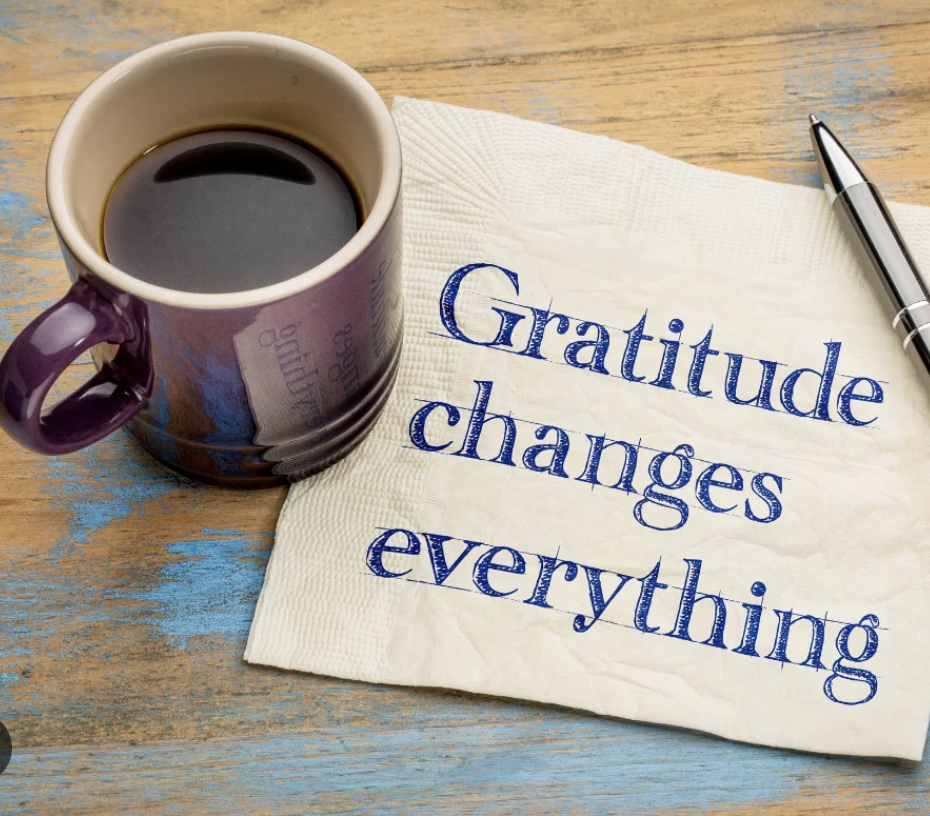
Gratitude can sound like a luxury when you are overwhelmed, grieving, exhausted, or simply doing your best to get through the day. In difficult seasons, it may even feel dismissive, like you are being asked to “look on the bright side” when what you really need is to be seen in the truth of what is happening.
But real gratitude is not pretending everything is fine. It is not bypassing pain. It is a steady, practical way to stay connected to what is still true, still supportive, and still alive inside you, even when life is heavy.
Gratitude does not erase hardship. It helps you meet it with more steadiness.
The Trap of Believing You Need to Be Perfect
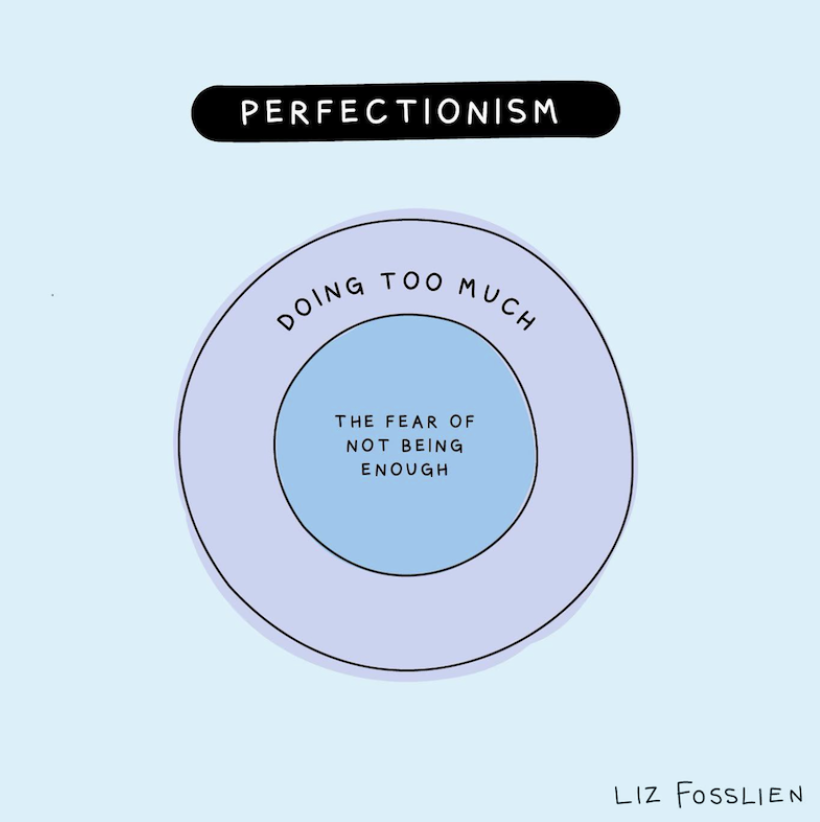
Perfectionism often looks like high standards, strong work ethic, and being “on top of things.” But underneath, it is usually driven by fear. Fear of being judged. Fear of making a mistake. Fear that if you are not exceptional, you will not be accepted, chosen, or safe.
That is the trap: perfectionism promises peace, but it delivers pressure.
Why “no” is a complete sentence
Boundaries
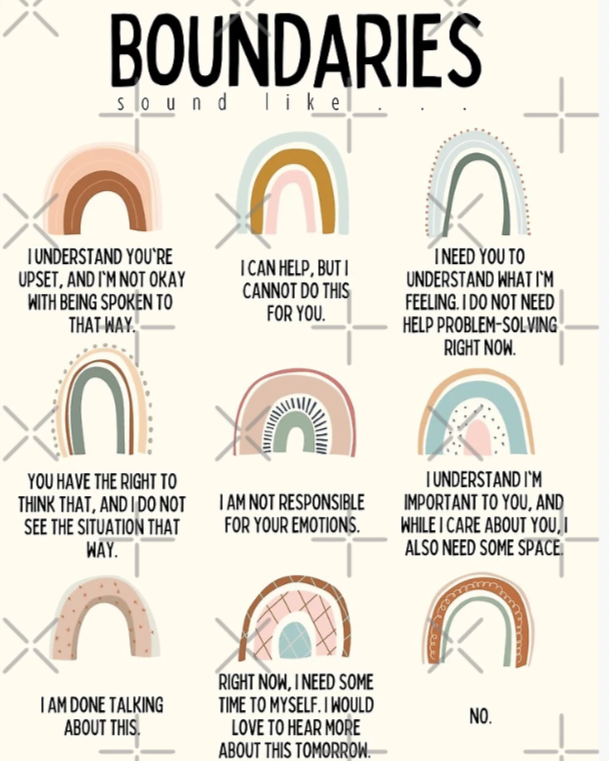
Boundaries are not walls. They are clarity. They are how you protect your time, energy, and wellbeing so you can show up to your life with more steadiness, honesty, and care.
Many people struggle with boundaries because they confuse them with being harsh or selfish. In reality, a boundary is often an act of respect. It tells the truth about what you can and cannot do, and it prevents resentment from building in silence.

Wasting Energy on Worry: Anxiety in a Cuter Outfit
Worry often pretends to be helpful. It sounds like preparation, responsibility, and “staying on top of things.” But most of the time, worry is just anxiety dressed up to look productive.
It keeps your mind busy, but it rarely moves your life forward.
How Shamanic Practices Can Help You See Beyond the Ego
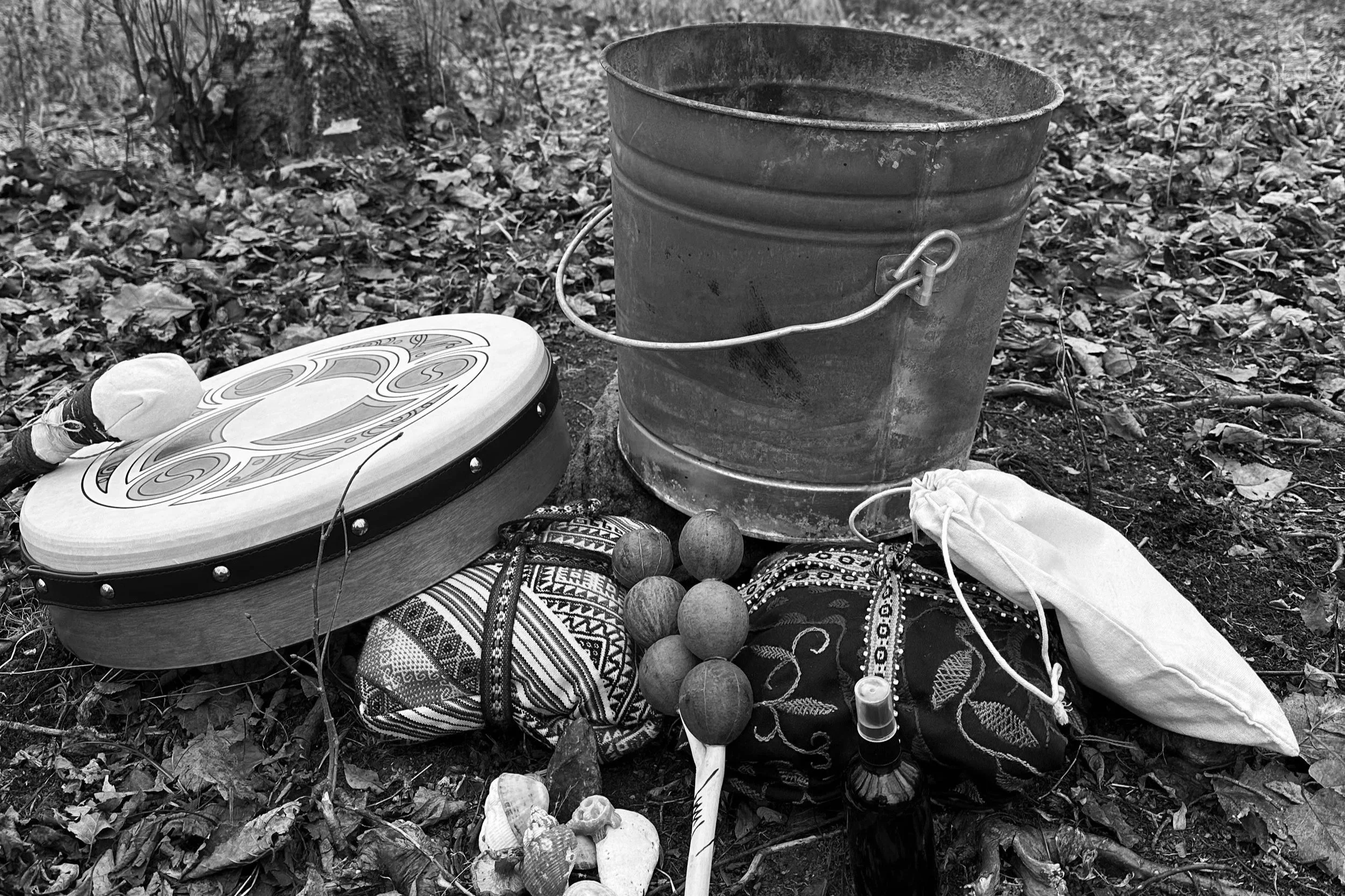
The ego is not “bad.” It is a protective identity structure built from experiences, roles, and survival strategies. The problem is that it can become the loudest voice in the room, convincing you that your thoughts, defenses, and stories are the full truth of who you are…